
The Conflict Between the Individual and the Crowd
East of EdenThe novel's exploration of the tension between the individual's freedom and the demands of the group, especially in times of war and social pressure.
increasing Bearing strength in each event
 decreasing
Bearing strength in each eventdecreasingThe Army's Dehumanization
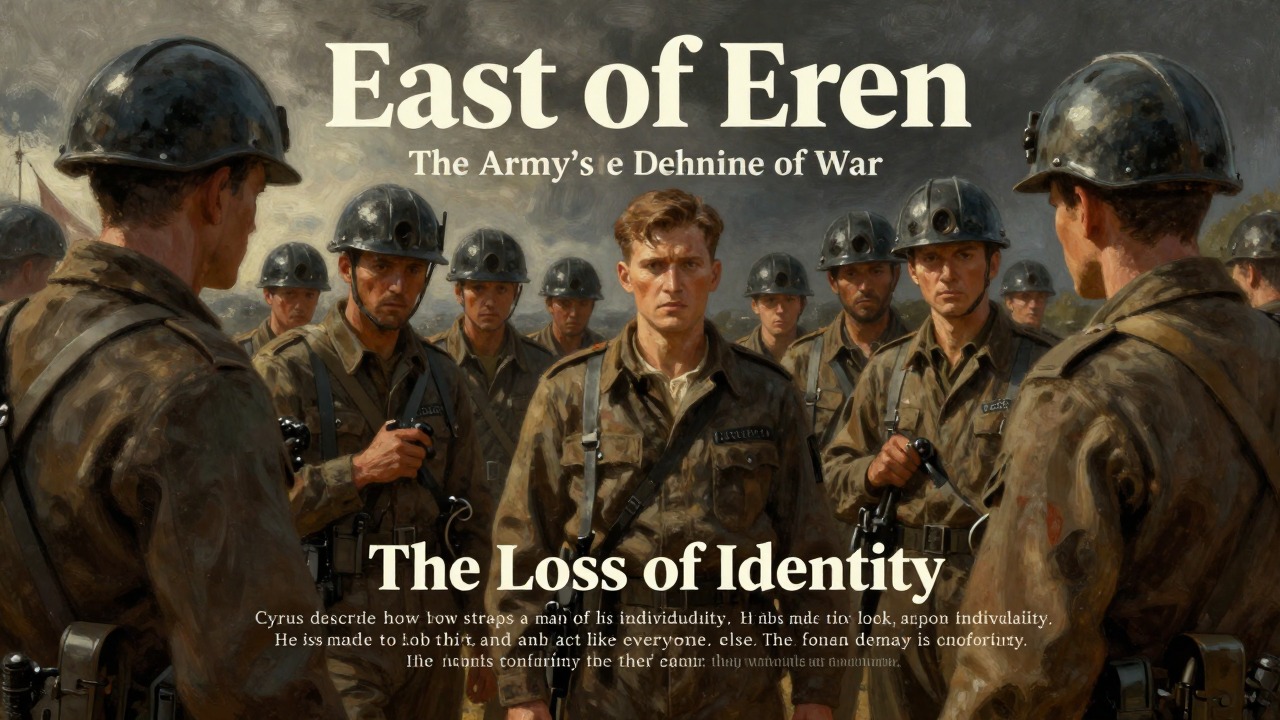
The Machine of War
The Loss of Identity
Cyrus describes how the army strips a man of his individuality. He is made to look, think, and act like everyone else. The group demands conformity.
The Fear of Difference
Any difference is a threat to the group. The machine will destroy the individual who does not conform. This is a warning about the power of the mob.
Adam's Horror
Adam is horrified by this vision. He is a man who values his inner life. The army is his nightmare. This conflict shapes his entire life.
The Persecution of Mr. Fenchel
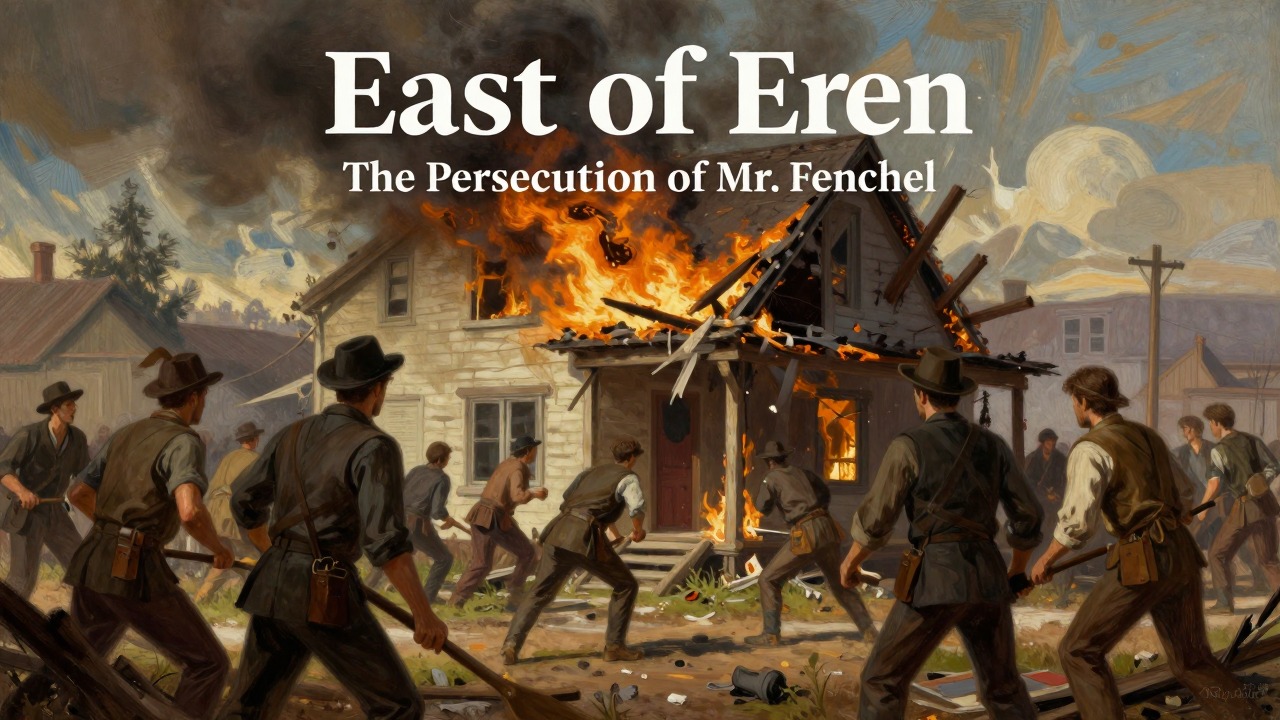
The Scapegoat
The Mob Mentality
During World War I, the town of Salinas turns on Mr. Fenchel, a German immigrant. He is innocent, but he is targeted because he is different.
The Destruction of Property
The mob burns his house down. This is a physical manifestation of the group's power. The individual is helpless against the crowd.
The Lesson
The persecution of Mr. Fenchel shows how easily the group can turn on the individual. It is a dark chapter in the life of the town.
The Trask Family's Isolation
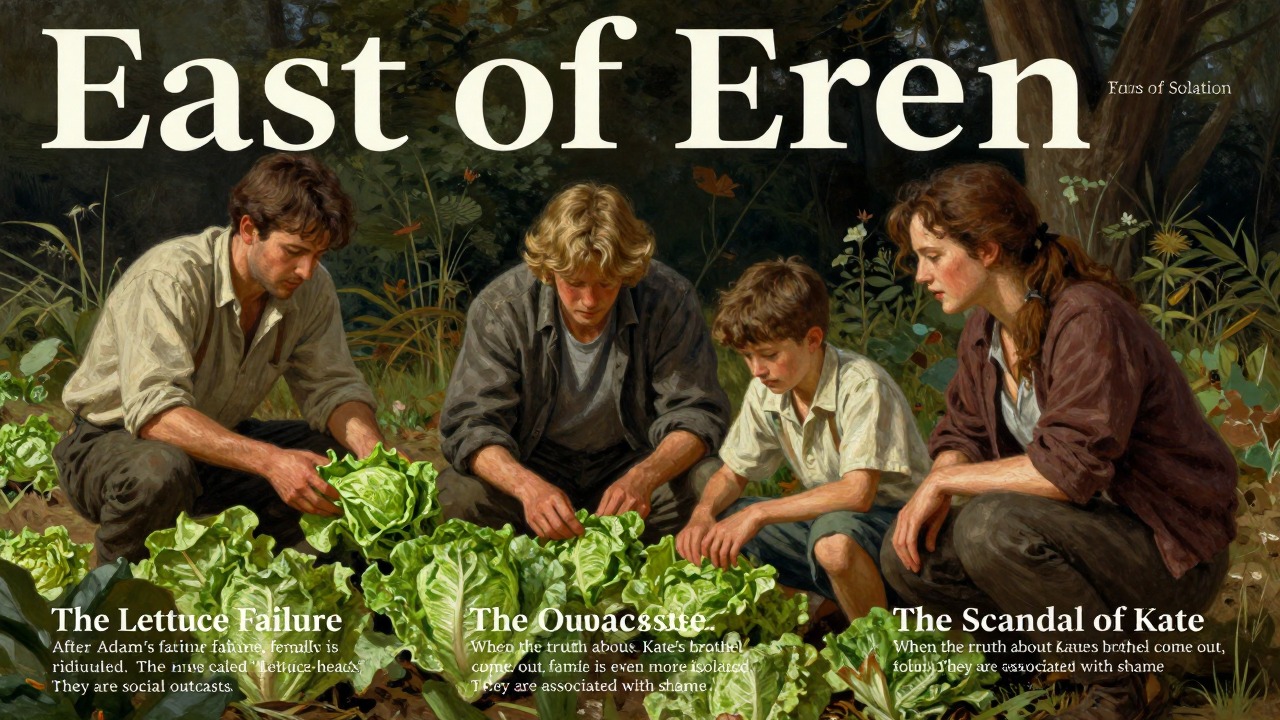
The Outcasts
The Lettuce Failure
After Adam's lettuce failure, the family is ridiculed. The boys are called 'Lettuce-heads'. They are social outcasts.
The Scandal of Kate
When the truth about Kate's brothel comes out, the family is even more isolated. They are associated with shame.
The Withdrawal
The family retreats into itself. They have few friends. The conflict with society leaves them alone.
The War and the Herd
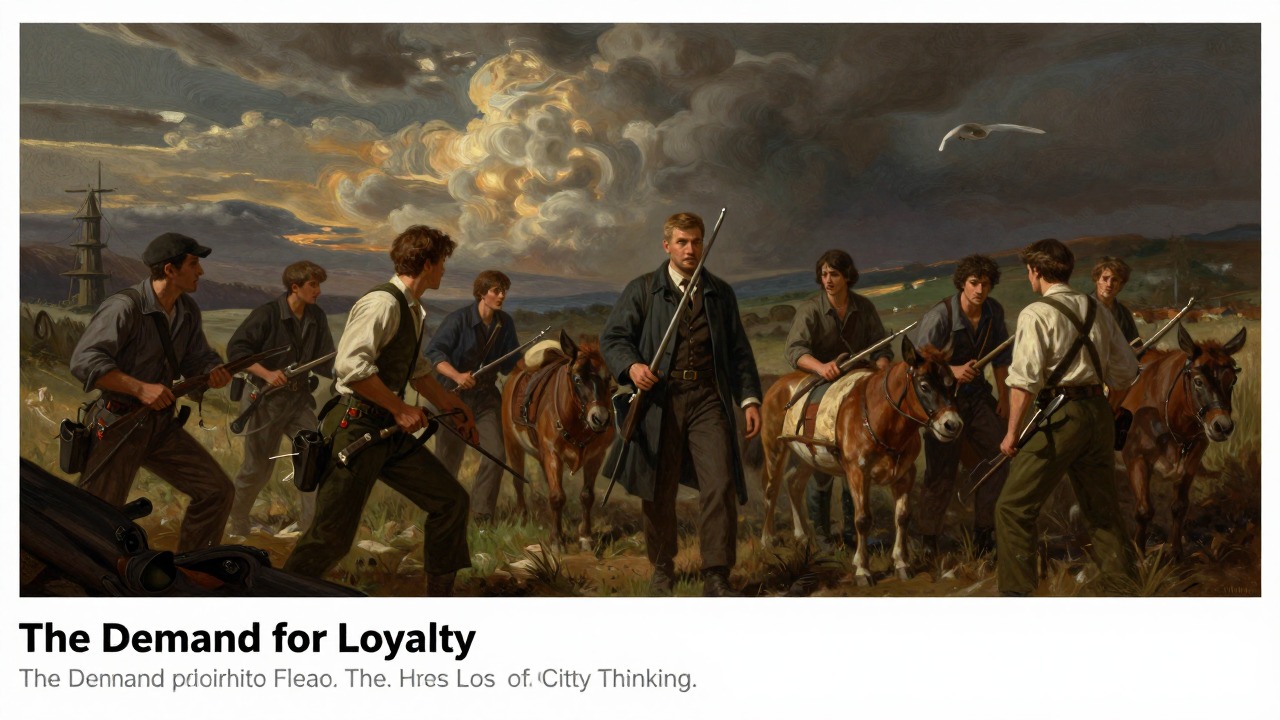
The Patriotic Frenzy
The Demand for Loyalty
During the war, there is intense pressure to be patriotic. People who do not support the war are suspected of being traitors. The group demands unanimity.
The Loss of Critical Thinking
In the heat of war, critical thinking is abandoned. People follow the crowd. This is a dangerous loss of individuality.
The Contrast with Samuel Hamilton
Samuel Hamilton, who died before the war, was a man who thought for himself. He would have resisted the herd mentality. The novel contrasts his independence with the conformism of the wartime.
The Individual's Resistance
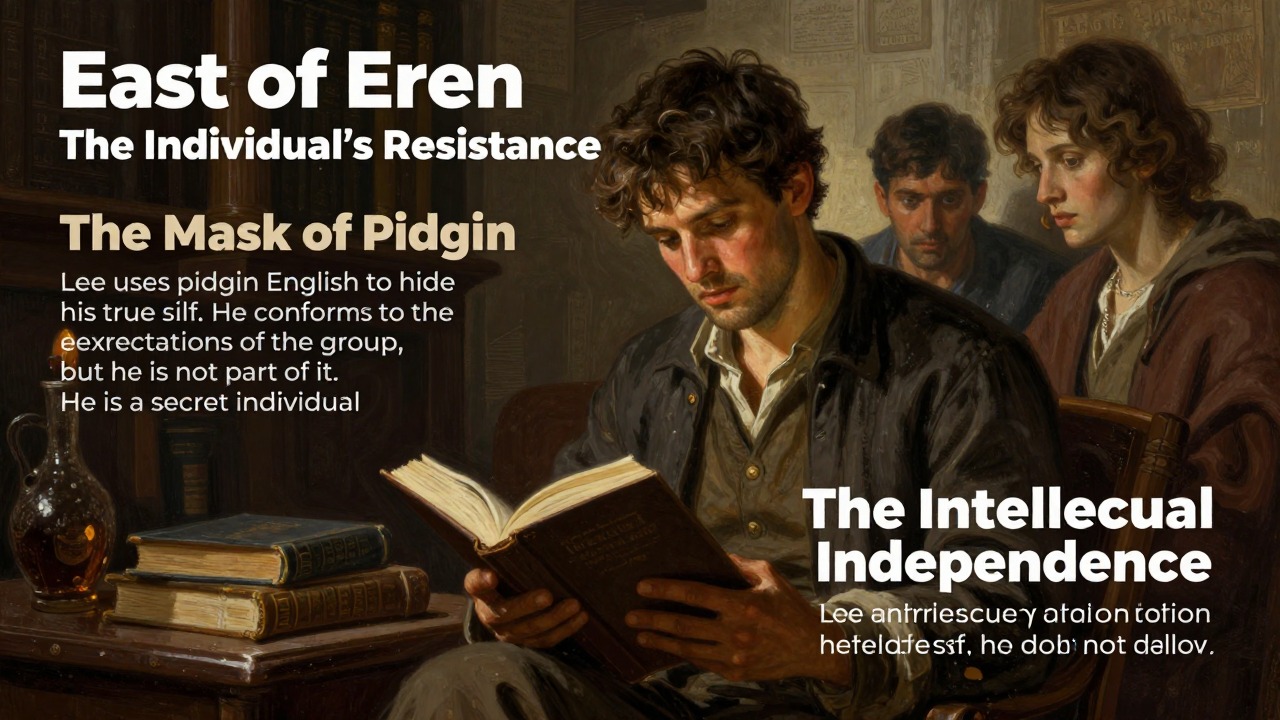
The Quiet Rebel
The Mask of Pidgin
Lee uses pidgin English to hide his true self. He conforms to the expectations of the group, but he is not part of it. He is a secret individual.
The Intellectual Independence
Lee reads philosophy and studies Hebrew. He thinks for himself. He does not allow the group to define his identity.
The Choice to Stay
Lee chooses to stay with the Trask family, even though he could leave. He finds a place where he can be himself. He is an individual who has found a community.
The Triumph of the Individual
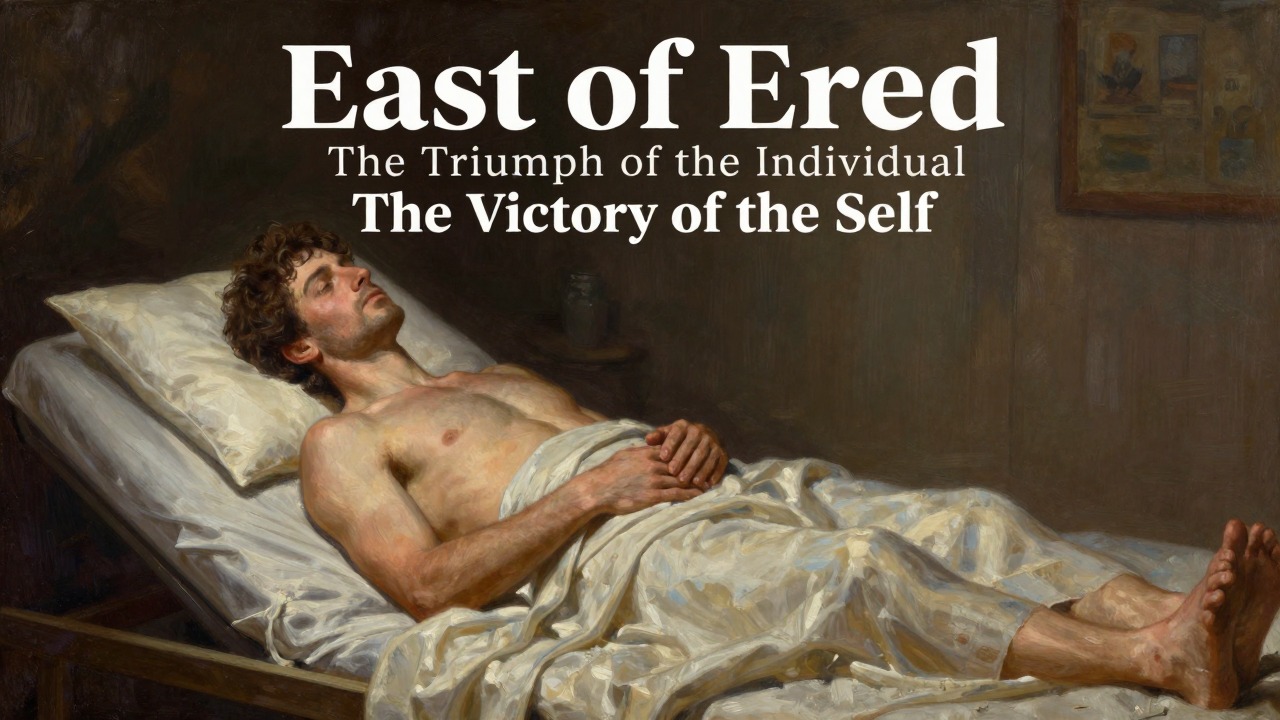
The Victory of the Self
The Choice to Bless
On his deathbed, Adam is given a choice. He can die in anger or in forgiveness. He chooses to bless Cal. This is an act of individual will.
The Word 'Timshel'
The word 'Timshel' embodies the power of the individual. It is a choice. It is not a command from God or society. It is a personal decision.
The Hope for the Future
Cal is given the same choice. He can choose to be good. The novel ends with the hope that the individual can triumph over the forces of conformity and guilt.
Cyrus Trask's description of the army, 1880s
The town's treatment of Mr. Fenchel, 1917-1918
The Trask family's social ostracism, 1915-1918
The pressure to support the war, 1917-1918
Lee's subtle resistance to conformity, 1900-1918
Adam's final act of individual choice, 1918
